May 20, 2026
Hiring roofing contractors requires asking the right questions to ensure quality work and reliability. The roofing industry includes many professionals with varying levels of expertise. Making a hasty choice could result in poor workmanship or future problems. This guide highlights key questions to evaluate roofing contractors, helping you protect your investment and achieve a safe, long-lasting roof. Taking the time to understand your options allows homeowners to avoid costly mistakes and ensures that every dollar spent contributes to a durable, reliable roofing system. Knowledge and preparation are critical steps in making an informed decision.
Understanding Contractor Credentials
Licensing and Certification
Licensing and certification confirm a contractor’s competence and adherence to local regulations. Licensed contractors meet state-specific requirements, while certified contractors are endorsed by manufacturers for using particular products. Asking for proof ensures the work meets building codes and can prevent complications or penalties. Proper credentials also provide access to superior product warranties and enhance confidence that the installation will be correct and durable. Additionally, certified contractors often receive ongoing training, ensuring they are up to date with the latest roofing technologies and best practices.
Insurance Coverage
Insurance is essential to protect against financial risks. Liability insurance covers damages to property, while worker’s compensation protects against injuries to workers. Requesting proof ensures that accidents won’t create unexpected expenses. Contractors prioritizing insurance demonstrate professionalism and responsibility, reducing risks during your roofing project. Knowing the insurance limits and coverage details allows homeowners to make informed decisions and ensures peace of mind throughout the construction process.
Affiliations and Memberships
Memberships in industry organizations, such as the National Roofing Contractors Association (NRCA), signal a commitment to ongoing education and high standards. Affiliated contractors often have access to new techniques, safety protocols, and networking opportunities that improve service quality. Peer accountability in these networks also ensures contractors maintain ethical practices, giving homeowners added confidence. Membership can also provide additional resources for troubleshooting rare issues or sourcing high-quality materials.
Years of Experience
Experience reflects skill and reliability. Seasoned contractors handle unexpected challenges better and have extensive knowledge of roofing systems and materials. According to Today's Homeowner, repairing the roof is usually recommended if it is under 15 years old and has only minor damage. Experienced contractors can assess whether repair or replacement is best, ensuring your home receives appropriate care. Beyond years in business, consider the number of completed projects, specialized roofing types handled, and familiarity with local weather-related roofing challenges.
Past Project References
References provide insight into a contractor’s professionalism, timeliness, and quality of work. Request a list of previous clients with similar projects. Online reviews from platforms like Google, Yelp, or BBB add context, showing how contractors handle complaints. Photos, walkthroughs, or site visits of completed projects can further verify skills and give homeowners a realistic expectation of results. When possible, speak directly with previous clients to understand the contractor’s communication style, problem-solving skills, and adherence to timelines.
Assessing Workmanship and Quality
Material Options
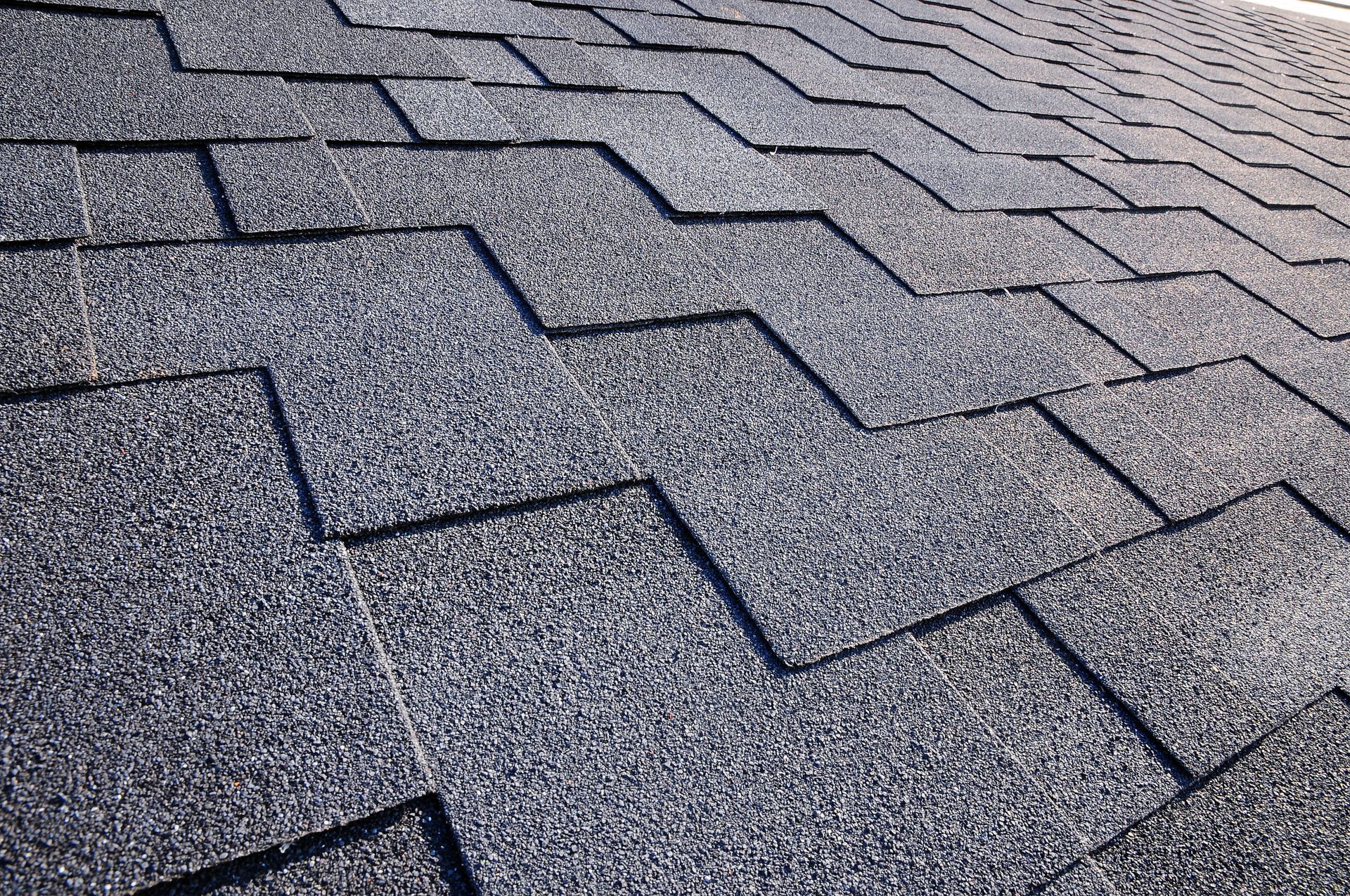
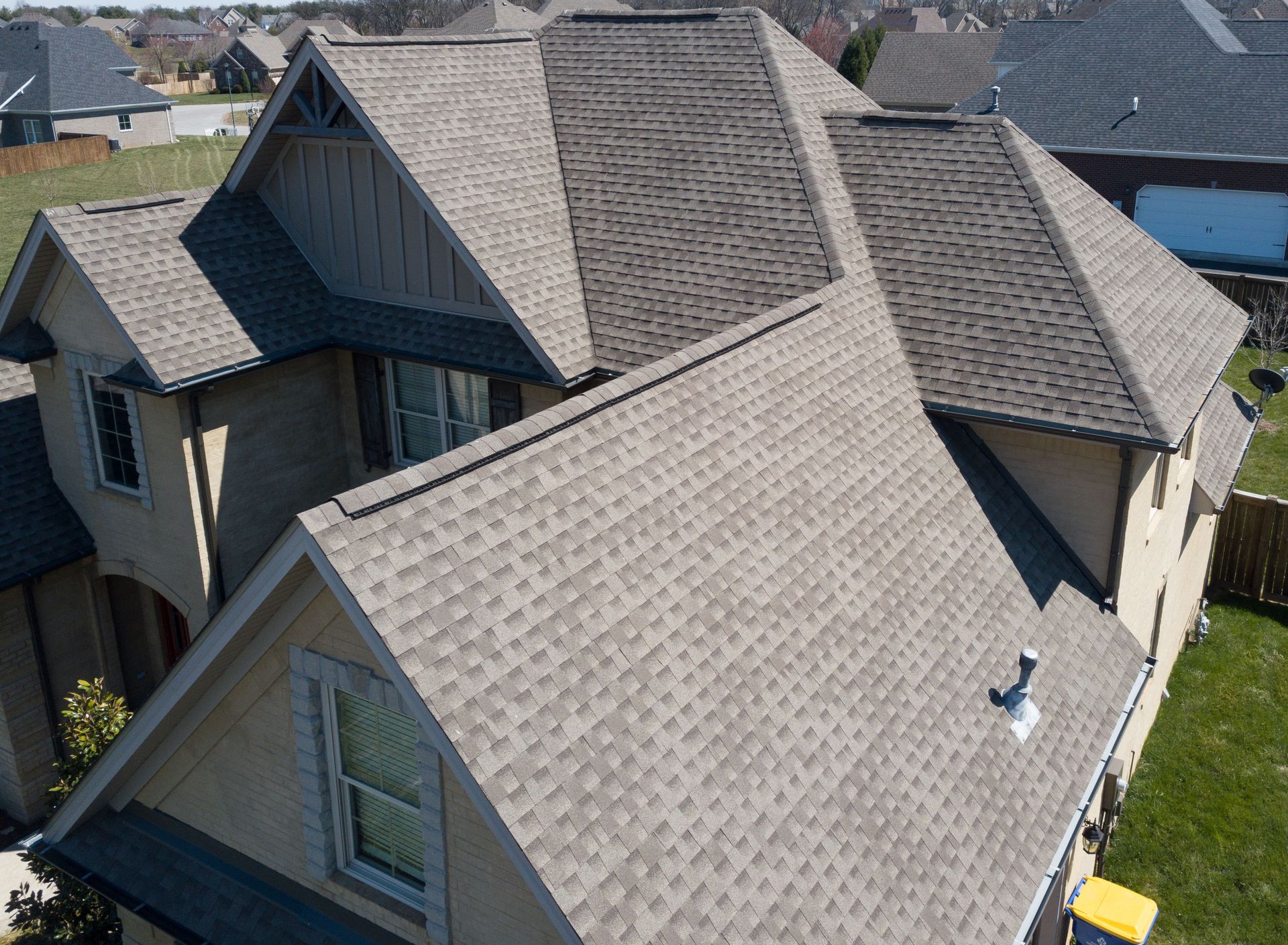
Understanding available roofing materials is essential for durability and aesthetics. Contractors should advise on options suitable for your climate and structure. Asphalt, metal, clay, or composite shingles vary in longevity, cost, and maintenance. Discussing material pros, cons, and warranties ensures informed decisions and a roof that meets both functional and visual expectations. Also, consider eco-friendly and energy-efficient options that can reduce long-term utility costs while improving insulation and environmental impact.
Warranty Details
Warranties protect your investment. Material warranties cover defects, while workmanship warranties cover installation errors. Clarifying coverage, duration, and activation requirements prevents future disputes. A contractor who explains warranties thoroughly demonstrates transparency and confidence in their work. Some contractors also offer extended coverage or transferable warranties if you sell your home, which adds long-term value.
Team Qualifications
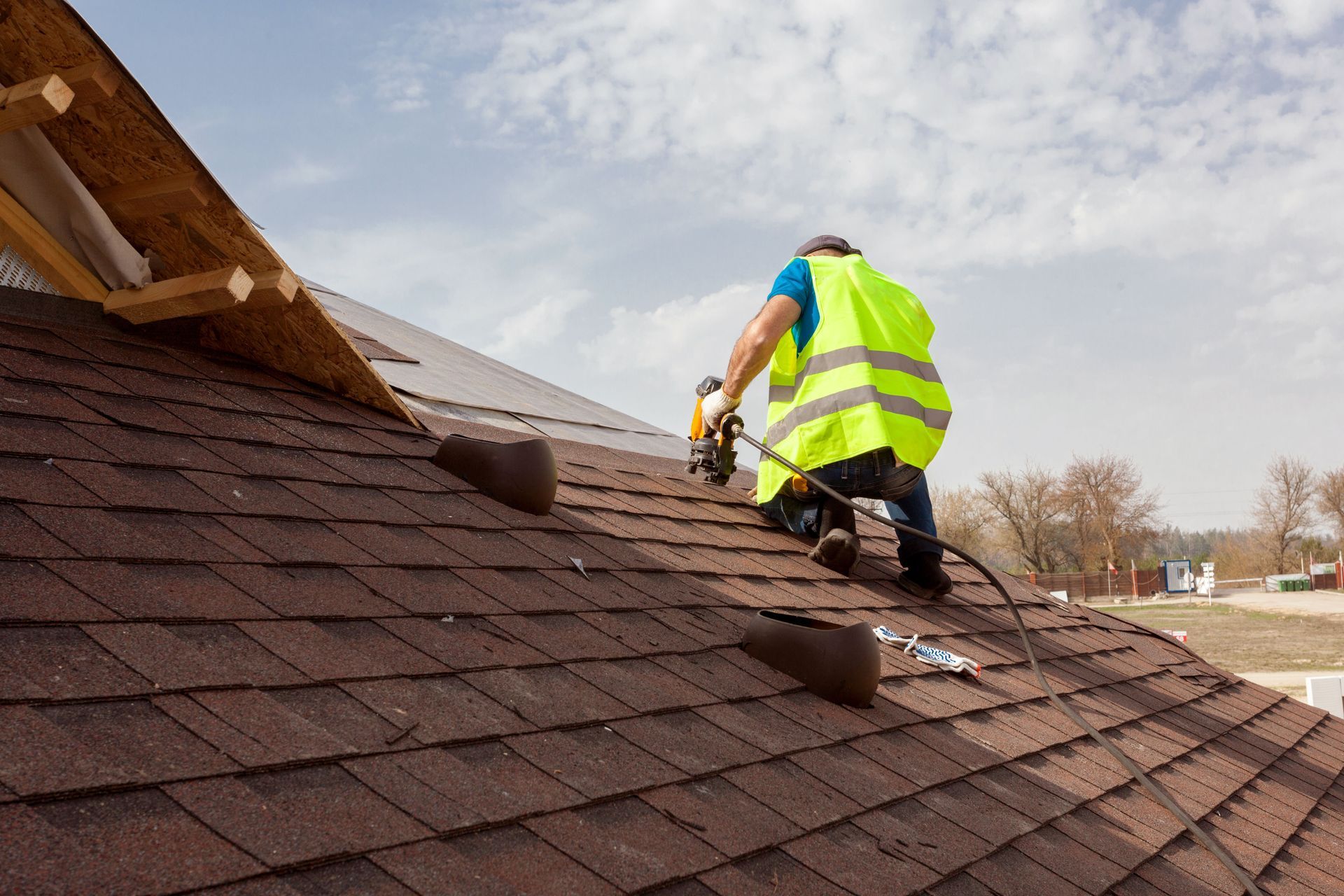
The experience of the crew affects project quality. Skilled teams reduce errors and improve efficiency. Ask contractors about team qualifications, certifications, and whether work is subcontracted. A well-trained crew ensures adherence to safety standards and proper installation techniques. Knowing the size of the team and roles assigned can help you understand how work will be completed efficiently and safely.
Quality Assurance Practices
Contractor quality assurance ensures high standards throughout the project. Inspections at different stages verify adherence to processes and specifications. Discuss how inspections are conducted and how issues are resolved. Thorough quality practices reflect professionalism and a commitment to excellence, giving homeowners confidence in the final result. Documented quality checks or progress reports show transparency and accountability throughout the project.
Inspection and Completion
Final inspections confirm the roof meets agreed-upon standards. Ask if inspections include detailed checks on flashing, sealants, and shingles. Walkthroughs with the contractor allow verification of quality and resolution of any issues. This step ensures transparency and strengthens trust in the completed work. Confirming completion documentation, including photos or notes on materials used, helps maintain a record for future maintenance or warranty claims.
Understanding the Project Timeline
Estimated Start Date
Knowing the project’s start date helps coordinate logistics, such as inspections and material delivery. Reliable contractors manage scheduling transparently, considering weather and resource availability. Clear timelines reflect organizational skills and operational readiness, reducing disruptions to your household. Planning for contingencies in case of unexpected delays also demonstrates contractor professionalism and reliability.
Project Duration
Duration impacts satisfaction and planning. Contractors should provide realistic timelines accounting for weather, supply delays, and adjustments. Transparency in expected duration indicates professionalism, while experienced contractors can anticipate and manage potential delays. Accurate schedules allow homeowners to plan around personal commitments and minimize inconvenience. Understanding buffer periods for unforeseen challenges ensures you are prepared for smooth project execution.
Communication and Updates
Effective communication keeps you informed about progress, delays, or issues. Ask how frequently updates will be provided and through which channels. Clear communication ensures expectations are aligned and allows you to make timely decisions during the project. Regular updates about project milestones can also provide reassurance that work is progressing according to plan.
Budget and Cost Considerations
Detailed Estimates
Request written estimates that break down labor, materials, and additional charges. Transparent estimates prevent unexpected expenses and allow comparisons among roofing contractors. Experienced contractors provide realistic pricing based on thorough assessments rather than generic quotes. Comparing multiple bids can also help you gauge fair market value and ensure competitive pricing.
Payment Terms
Discuss payment schedules, deposits, and accepted methods. Avoid contractors demanding full payment up front. Clear payment terms protect your financial interest and ensure work is completed to standard before final payment. It’s also important to discuss how change orders or additional work requests will be handled financially to prevent disputes later.
Additional Considerations
Environmental and Safety Practices
Ask roofing contractors about waste management, recycling, and safety protocols. Contractors following environmental standards and rigorous safety practices reduce potential hazards, ensure compliance with local regulations, and reflect professionalism. These practices can prevent delays and minimize damage to your property or the surrounding landscape.
Emergency Support and Maintenance
Some roofing contractors provide post-installation support or maintenance services. Discuss availability for emergency repairs, inspections, or seasonal maintenance. This ongoing support ensures that minor issues are addressed promptly, extending the roof’s life and protecting your investment over time.
Selecting roofing contractors requires thorough evaluation of credentials, experience, past projects, materials, warranties, team qualifications, quality practices, and timelines. Asking the right questions ensures you hire professionals who prioritize safety, quality, and reliability. A well-chosen contractor guarantees a durable roof, peace of mind, and protection for your home investment. By following this guide, homeowners can make informed decisions and avoid costly mistakes, securing a roof that lasts for years to come. Investing time upfront in research and preparation pays off with a safer, more reliable, and aesthetically pleasing roof. For more information, contact Campbell Roofing.